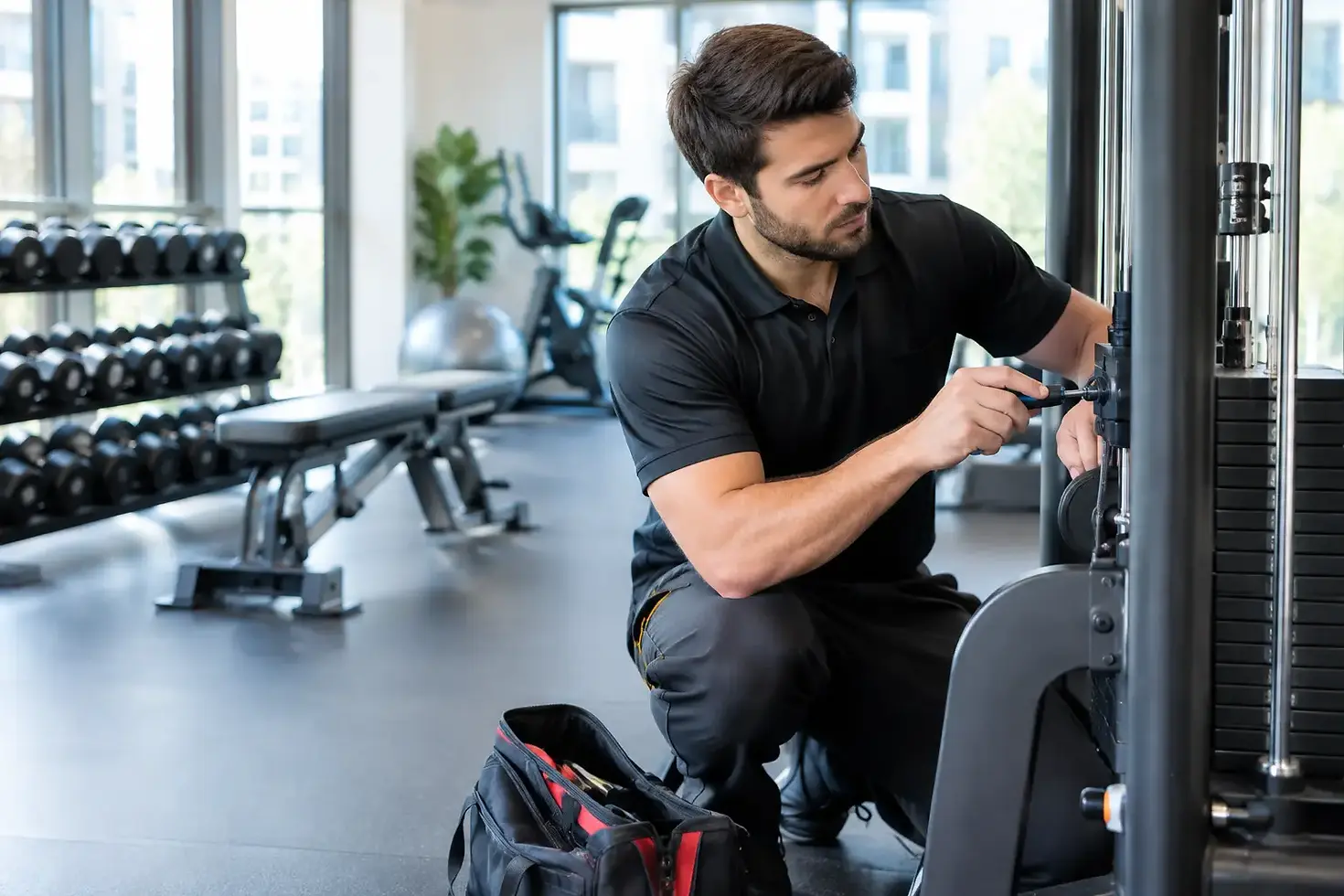
Apartment Gym Service Planning That Reduces Downtime

A treadmill with a slipping belt, an exercise bike that will not power on, or an elliptical making a grinding sound can quickly become more than a small amenity issue. For property managers, apartment gym service planning is how you prevent equipment complaints from becoming resident frustration, safety concerns, and unexpected replacement costs.
A well-run fitness center helps a community stand out. It gives residents a convenient reason to stay active without leaving the property, and it supports the value of the amenity package you promote during tours. That value depends on equipment that is clean, safe, and ready to use every day.
Why Apartment Gym Equipment Needs a Service Plan
Apartment fitness rooms experience different wear than private home gyms. Equipment may be used throughout the day by residents with different fitness levels, different habits, and varying familiarity with the machines. Buttons get pressed hard, treadmill decks collect dust, pedals loosen, and moving parts wear down gradually.
Waiting until a machine fails is usually the expensive approach. A small belt alignment issue can develop into deck or motor wear. A loose pedal or damaged handle can create a safety issue. When several units are out of service at once, the gym looks neglected even if the rest of the property is well maintained.
Planned service gives property teams visibility. Instead of reacting to every new maintenance ticket, you can schedule inspections, identify developing problems, approve repairs before they become major failures, and keep a clear record of work performed. This is especially useful for communities with multiple buildings, high resident turnover, or a busy leasing schedule.
Start With an Accurate Equipment Inventory
Effective apartment gym service planning starts with knowing exactly what is in the room. Create an inventory that includes the manufacturer, model, serial number, approximate age, and location of every machine. Include treadmills, ellipticals, exercise bikes, rowers, stair climbers, cable stations, benches, racks, and strength equipment.
The inventory should also note the condition of each unit. A treadmill that operates normally but has a worn belt should not be treated the same as a machine that is fully functional and recently serviced. Mark units with recurring repair history, outdated consoles, missing parts, or visible frame damage.
This information helps you make practical decisions. Some equipment is worth repairing because it has years of useful life left. Other units may be approaching the point where repeated repairs cost more than replacement. The right answer depends on the machine, the availability of parts, the age of the equipment, and how heavily residents use it.
Keep the inventory accessible to the property manager, maintenance supervisor, and service provider. When a resident reports a problem, the team can identify the correct unit quickly instead of trying to describe it as the treadmill by the window.
Build a Schedule Around Use, Not Guesswork
There is no one maintenance interval that fits every apartment gym. A small community fitness room with light daily use may need a different schedule than a large luxury property where equipment is used from early morning through late evening.
For most communities, scheduled preventative maintenance several times per year is a practical starting point. Higher-traffic properties, buildings with extensive cardio equipment, and communities that market the gym as a premium amenity may benefit from more frequent visits. New equipment also needs attention. Proper installation, leveling, tightening, and early adjustments can prevent avoidable service calls later.
During a maintenance visit, a qualified technician should inspect performance and safety, not simply wipe down the machine. Cardio equipment may need belt and deck evaluation, drive system checks, calibration, alignment, lubrication where manufacturer specifications allow, hardware tightening, and console testing. Strength equipment requires inspection of cables, pulleys, fasteners, pads, frames, guide rods, and attachment points.
Cleaning belongs in the plan as well, but it is not a substitute for mechanical service. Staff or janitorial teams can handle regular surface cleaning and disinfecting. Technical cleaning and inspection address the dust, debris, and wear that can affect machine performance over time.
Use a Simple Reporting Process
Residents often notice equipment problems first. Make it easy for them to report an issue, whether through the resident portal, a QR code in the gym, or a clear notice directing them to the management office. Ask for the machine type, location, and a short description of the problem.
Once a problem is reported, place an out-of-order sign on equipment that may be unsafe or unreliable. Do not leave a malfunctioning treadmill, bike, or cable machine available while waiting to see if the issue happens again. A prompt response protects residents and gives your team a clearer record of the problem.
Budget for Maintenance, Repairs, and Replacement Separately
A common planning mistake is putting every equipment expense into one general maintenance line. Preventative maintenance, urgent repairs, and long-term replacement are related, but they should be budgeted differently.
Preventative maintenance is the recurring investment that helps keep equipment operating properly. Repairs cover unexpected failures, damaged components, and replacement parts. Capital replacement planning addresses machines that have reached the end of their practical service life or no longer meet resident expectations.
Separating these categories makes budgeting easier to explain to ownership. It also helps avoid the false choice between spending money now and spending nothing at all. A modest maintenance budget can reduce emergency calls and extend the usable life of valuable equipment. Still, maintenance cannot make every old machine a good long-term investment. If a unit has frequent electronic failures, unavailable parts, or serious structural wear, replacement may be the more responsible decision.
When planning replacement, avoid purchasing solely on initial price. Consider warranty support, parts availability, expected usage, ease of cleaning, power requirements, room layout, and the ability to obtain qualified service locally. Equipment that looks good in a catalog but is difficult to maintain can become a costly amenity problem.
Plan for Safety and Liability Before a Failure Happens
Fitness equipment is moving equipment. That means service planning must include safety procedures, not just performance checks. Machines should be stable and level, emergency stops should function, warning labels should be readable, and loose hardware should be corrected promptly.
The room itself also matters. Check flooring, ventilation, lighting, electrical outlets, clearances around treadmills, and placement of free weights. A crowded layout can make routine maintenance harder and create hazards for residents. If equipment is moved during renovations or amenity upgrades, it should be professionally disassembled, relocated, reassembled, and tested before reopening the space.
Keep service records for each unit. Documentation can show what was inspected, what repairs were completed, which recommendations were made, and when equipment was removed from service. This is useful for budgeting, vendor coordination, and responsible property operations.
Choose a Provider That Understands Multi-Brand Equipment
Apartment fitness centers often contain equipment from several manufacturers. One room may have Life Fitness treadmills, Precor ellipticals, Peloton bikes, a Matrix rower, and a functional rack from another brand. A general maintenance provider may be able to handle basic tasks, but multi-brand equipment needs specialized diagnostic knowledge and access to the right service approach.
Look for an insured provider with proven experience in commercial and residential fitness equipment, clear communication, and the ability to handle inspections, repairs, installation, relocation, and assembly. For property managers in Palm Beach County and Broward County, Gympro Service provides local, on-site support from certified technicians with more than 20 years of experience.
The best service relationship is not just about responding quickly when something breaks. It is about having a technician who understands your equipment history, recognizes recurring issues, and helps your team make sound repair-or-replace decisions.
Make the Fitness Center Easier to Manage
A dependable apartment gym does not happen by accident. It comes from regular inspections, quick reporting, realistic budgets, and a service partner who can keep equipment safe and operating as intended. Set the schedule before the next breakdown, and your residents will notice the difference every time they walk into the fitness room.


Comments