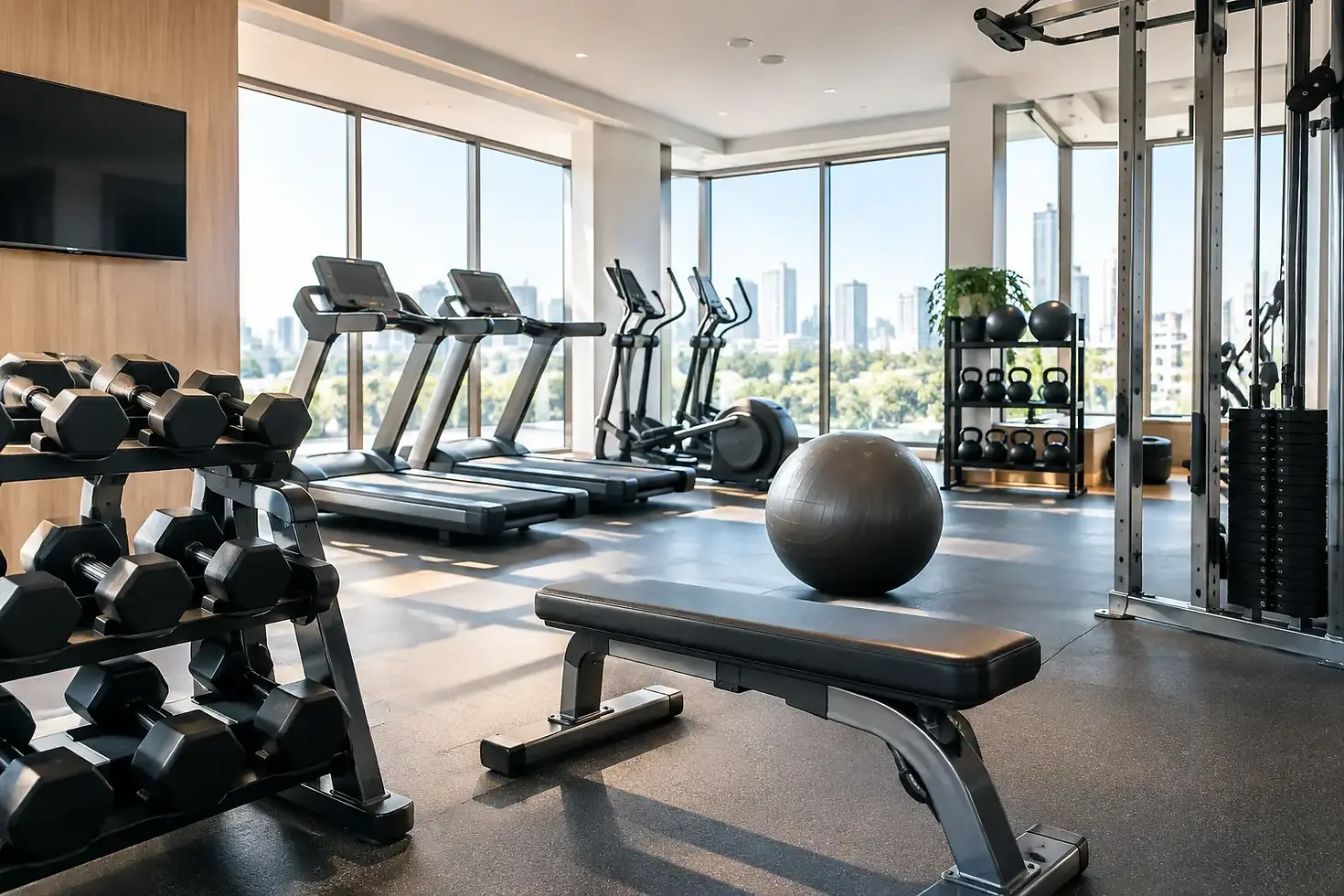
Condo Gym Overhaul That Residents Will Use

A condo fitness room can become a point of pride or a recurring complaint. When residents find out-of-order treadmills, worn upholstery, missing adjustment pins, or equipment packed too tightly to use safely, the amenity stops adding value. A well-planned condo gym overhaul corrects those problems without wasting the association's budget on equipment that does not fit the space or the residents' actual needs.
For condo boards and property managers in Palm Beach County and Broward County, the goal is not simply to make the room look newer. The goal is to create a safe, dependable fitness area that residents can use every day, while reducing service calls, liability concerns, and long periods of equipment downtime.
Start the Condo Gym Overhaul With What You Have
Replacing every machine is not always the right answer. Some cardio units that look dated may still be solid candidates for repair, cleaning, and preventative maintenance. Others may have reached the point where repeated repair costs, obsolete parts, or safety concerns make replacement the smarter choice.
Begin with a full equipment assessment. Each treadmill, elliptical, exercise bike, rower, cable machine, rack, bench, and strength unit should be checked for condition, usage, age, parts availability, and repair history. A machine that has been down three times in six months tells a different story than one that needs a belt adjustment and a thorough cleaning.
The assessment should also identify equipment that creates risk. Loose handrails, damaged power cords, cracked frames, unstable benches, slipping walking belts, worn cables, and missing safety labels should never be treated as cosmetic issues. In a shared amenity space, small problems can quickly become resident injuries or property liability concerns.
It also helps to look beyond the machines. Check flooring, mirrors, ventilation, lighting, wall protection, electrical outlets, ceiling clearance, entry access, and the condition of any televisions or sound systems. A new commercial treadmill will not solve a room layout problem or inadequate power supply.
Decide What Residents Will Actually Use
A condo gym serves a different audience than a large commercial health club. Residents want convenient, familiar equipment that supports a broad range of workouts without requiring a complicated setup. The right mix depends on the building's resident profile, available square footage, and traffic patterns.
For many communities, a balanced room includes dependable cardio equipment, adjustable benches, free weights, a functional trainer or cable station, and enough open floor area for stretching and mobility work. Larger properties may benefit from additional cardio units or a dedicated strength area. Smaller rooms often perform better with fewer, higher-quality pieces arranged with adequate clearance.
Do not make purchasing decisions based only on a brand name or a low upfront price. Commercial-grade equipment is designed for frequent use, but even commercial machines vary widely in durability, footprint, power requirements, and serviceability. Residential units may cost less initially, yet they can wear out quickly in a condo environment where multiple households use them every day.
Before selecting replacement equipment, consider four practical questions:
How many residents are likely to use the room during peak hours?
Can the equipment be moved safely through elevators, hallways, and doorways?
Does the room have the electrical capacity and ventilation needed for cardio equipment?
Are replacement parts and qualified service available locally?
The last question matters more than many boards realize. Equipment is only as useful as the support behind it. Choosing machines that can be maintained and repaired locally helps protect the association's investment long after installation day.
Build a Layout Around Safety and Access
The most common condo gym layout mistake is trying to fit too much equipment into a limited room. Crowded spaces may look fully equipped, but they create poor traffic flow and make it difficult for residents to work out safely. Treadmills need clear space behind them. Adjustable benches need room to move. Cable machines, racks, and plate storage need enough separation to prevent users from interfering with one another.
A practical layout starts with the largest machines and their required safety clearances. Cardio equipment should be positioned near appropriate electrical outlets without creating trip hazards from cords. Strength equipment should have stable flooring and open access on the sides where residents adjust seats, handles, or weight stacks. Free-weight areas should be separated from primary walkways whenever possible.
Accessibility is part of the plan as well. Clear routes, adequate doorway width, reachable controls, and uncluttered circulation make the room more usable for more residents. Good lighting and visible rules also help users operate equipment correctly and recognize when a machine is out of service.
If equipment must be relocated, disassembled, moved through a building, and reassembled, treat that as a technical project rather than a general moving job. Heavy fitness equipment can be damaged during transport, and building finishes, elevators, and door frames can be damaged when the work is rushed. Proper tools, trained technicians, and coordination with building management help prevent expensive problems.
Plan the Work to Limit Resident Disruption
A full gym closure can frustrate residents, especially in buildings where the fitness room is a heavily used amenity. The best approach is often a phased overhaul. Remove unsafe or failed equipment first, complete flooring or electrical work, then bring in and install replacement units in an organized sequence.
The schedule should account for delivery windows, elevator reservations, loading dock access, insurance requirements, and building rules. In South Florida condos, hurricane season planning can also affect deliveries and contractor scheduling. Communicating the timeline clearly gives residents reasonable expectations and reduces complaints.
There is a trade-off between completing everything at once and keeping part of the room open. A fast full closure may shorten the total project timeline. A phased approach may preserve limited access but can take longer and require more coordination. The right choice depends on the size of the gym, the scope of construction work, and whether equipment can be isolated safely while other work continues.
Do Not Let the Overhaul End at Installation
New equipment looks good on day one. What protects the investment is a maintenance plan that begins immediately. Cardio machines collect dust, belt debris, and moisture. Walking belts require alignment and tension checks. Ellipticals and bikes need inspection of moving components. Strength equipment needs regular checks of cables, pulleys, pins, fasteners, upholstery, and weight stacks.
Preventative maintenance is especially valuable in a condo setting because equipment problems are often noticed only after several residents have used a machine incorrectly or continued using it while a minor issue worsened. Regular service catches wear before it becomes a shutdown, helps extend equipment life, and keeps the room cleaner and safer.
A useful maintenance plan should include scheduled inspections, cleaning of mechanical areas, lubrication where required by the manufacturer, calibration checks, safety testing, and clear documentation of service completed. Property managers should also have a simple process for residents to report equipment concerns promptly. A small out-of-service sign is not a repair plan. It should trigger a documented service request and a timely diagnosis.
Gympro Service supports condo communities with equipment diagnostics, repair, installation, relocation, cleaning, and scheduled preventative maintenance. Working with certified, fully insured technicians gives boards and managers a reliable resource for multi-brand equipment without having to coordinate separate providers for every issue.
Budget for Reliability, Not Just Appearance
A condo gym overhaul budget should include more than the purchase price of new machines. Plan for freight, delivery, assembly, installation, electrical adjustments, flooring repairs, disposal of old equipment, moving costs, and ongoing service. Leaving these items out of the initial budget can turn an approved project into a series of unexpected expenses.
It is also wise to reserve funds for future repairs and replacement. Even well-maintained commercial equipment has a service life. A capital plan that anticipates eventual replacement prevents the board from making rushed decisions after several machines fail at once.
The best condo gym is not necessarily the largest or the most expensive. It is the one where equipment works, the room feels safe and clean, and residents know they can get a productive workout without encountering another out-of-order sign. Start with an honest assessment, choose equipment that fits the building, and put dependable service in place before small issues become major disruptions.


Comments