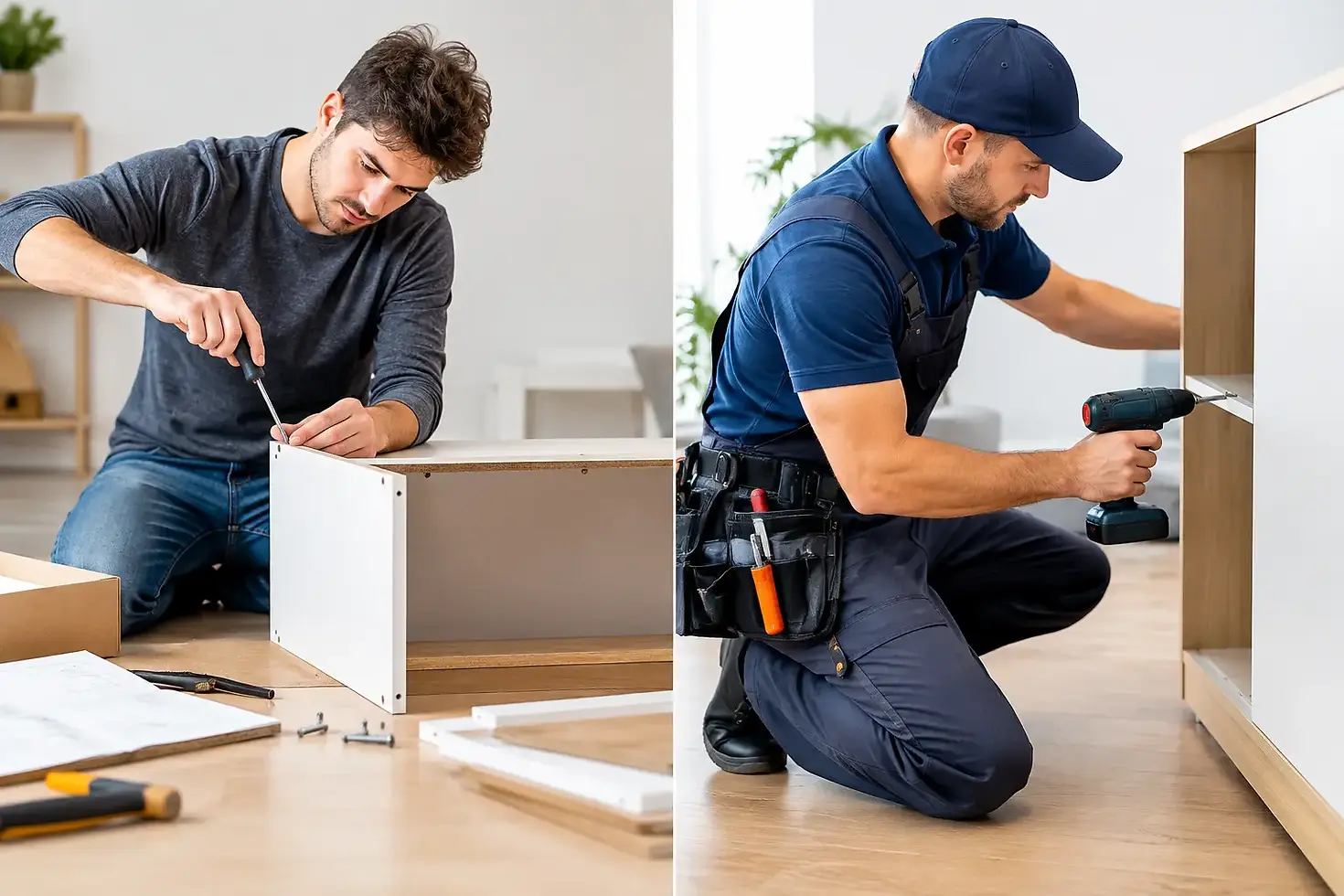
DIY Versus Professional Equipment Assembly

A new treadmill in a garage gym, a row of bikes arriving at an apartment fitness center, or a functional rack delivered to a hotel all create the same decision: DIY versus professional equipment assembly. The box may include instructions and hardware, but proper assembly is more than tightening bolts until the machine looks finished. It affects safety, performance, warranty compliance, and how quickly members, guests, tenants, or family can start using the equipment.
For some simple items, a capable owner can handle the job. For heavier cardio machines, multi-station strength equipment, or a commercial facility with a deadline, professional installation is often the more practical choice. The right answer depends on the equipment, the location, and the cost of getting it wrong.
What DIY Assembly Can Do Well
DIY assembly can make sense when the equipment is light, straightforward, and intended for home use. A basic adjustable bench, a compact exercise bike, or a small set of accessories may arrive with clear instructions, labeled parts, and a manageable number of fasteners. If you have the correct tools, enough space, and time to work carefully, assembling these items yourself can be reasonable.
The appeal is obvious. You control the schedule, avoid an immediate service charge, and can inspect each component as you unpack it. For homeowners who are comfortable following mechanical instructions, a simple assembly project may be completed in an afternoon.
The key word is simple. Even an apparently easy project should begin with a check of the delivery area, parts list, floor condition, and electrical requirements. Do not assume every screw, washer, cable, or power cord is interchangeable. Keep packaging until the unit is tested, and avoid forcing parts into place when alignment does not look right.
DIY also works best when there is no operational pressure. If a home bike takes an extra evening to assemble, that is frustrating but manageable. If a fitness room is scheduled to open for residents tomorrow morning, an unfinished or improperly assembled machine becomes a service problem.
DIY Versus Professional Equipment Assembly: The Real Difference
The difference is not simply who holds the wrench. Professional equipment assembly brings technical familiarity, proper lifting and positioning methods, inspection experience, and accountability to the job.
Fitness equipment is built to move under load. A treadmill frame supports the runner, while its belt, deck, rollers, drive motor, wiring, and incline system must work together. An elliptical requires correct alignment through its rails, pedals, linkages, and electronics. A rack or cable system may need precise leveling, torque specifications, pulley routing, and secure anchoring based on the equipment design and facility requirements.
A machine can appear complete while still having a preventable issue. A loose fastener may create noise or instability. A pinched wire can lead to intermittent console problems. An uneven treadmill can walk across the floor, wear its belt prematurely, or feel unsafe under use. These problems are not always visible on day one, but they often surface once the equipment begins receiving regular use.
Professional technicians also recognize what should be checked before a unit enters service. That can include verifying hardware, leveling the machine, inspecting moving parts, testing resistance or incline functions, confirming electrical operation, and checking for shipping damage that may have been missed during delivery.
When Professional Assembly Is the Better Investment
Professional assembly is strongly recommended for heavy cardio equipment, commercial fitness installations, multi-unit deliveries, wall-mounted or anchored equipment, and complex strength systems. These projects require more than patience. They require safe handling, accurate setup, and a clear understanding of how the equipment is expected to perform.
Treadmills are a common example. They are heavy, awkward to move, and can be damaged if they are dropped, dragged, or lifted incorrectly. Once assembled, they still need proper leveling and testing. The same applies to commercial bikes, ellipticals, rowers, stair climbers, and selectorized strength equipment. Their size and weight make a mistake harder to correct after the fact.
For gym owners and property managers, the decision should also account for liability and downtime. A poorly installed machine can create an avoidable injury risk, trigger member complaints, and take equipment out of service. A fitness room with several unusable machines does not reflect well on a hotel, apartment community, condominium, or club - even when the equipment is brand new.
Professional service is especially valuable when equipment must be moved upstairs, through narrow hallways, into elevators, or across finished flooring. Planning the route, protecting the property, and placing the unit correctly the first time can prevent damage to both the machine and the building.
Commercial Installations Need Consistency
A commercial facility is not just assembling one product. It is creating a usable environment for many people with different workout habits. Equipment needs appropriate spacing, stable placement, clear access, and reliable operation before the room opens.
When several units arrive at once, a professional team can coordinate assembly and testing in a consistent order. This reduces the chance that a missing part, damaged carton, or electrical concern delays the entire project. It also gives facility operators a clear point of contact if the equipment needs adjustment after installation.
For properties replacing equipment in phases, professional assembly can be coordinated around operating hours. That helps minimize disruption for members, residents, and guests who expect the fitness center to remain available.
Homeowners Still Benefit From Expert Setup
Professional assembly is not only for large gyms. A home treadmill, Peloton-style bike, NordicTrack unit, or functional trainer is a significant purchase. It deserves a setup that protects the investment and gives the owner confidence before the first workout.
Homeowners often call for help after encountering a problem halfway through assembly: an extra part that does not seem to belong, a console that will not power on, a belt that tracks poorly, or a machine that feels unstable. At that point, the project can take longer and cost more than scheduling experienced assembly from the start.
Costs to Compare Before You Decide
The upfront price of DIY can look lower, but it is worth comparing the complete cost. Consider the tools you may need, the time required, the possibility of needing a second person for lifting, and the risk of damaging equipment or property. If a machine must later be disassembled and corrected, the initial savings can disappear quickly.
Professional assembly has a clear service cost, but it also provides efficiency. For a business, that efficiency may mean opening a fitness room on schedule. For a homeowner, it may mean avoiding a weekend spent troubleshooting a machine that should already be ready to use.
There is also the value of early issue detection. If a unit arrives with concealed shipping damage, missing components, or a manufacturing defect, an experienced technician may identify it before the equipment is placed into regular service. That documentation can be useful when working with the retailer or manufacturer.
A Practical Decision Checklist
Choose DIY when the equipment is simple, lightweight, and within your comfort level; you have the necessary tools and assistance; the manufacturer instructions are clear; and there is no deadline or safety-critical installation involved.
Choose professional assembly when the unit is heavy, powered, commercial-grade, multi-piece, or requires anchoring. It is also the better choice when the equipment must be moved through challenging spaces, installed in a public or shared fitness room, or prepared for immediate daily use.
If you are unsure, do not make the decision based only on the size of the box. Consider the equipment's moving parts, electrical systems, required placement, and the people who will rely on it. A compact treadmill can still present more setup risk than a much larger non-mechanical piece of strength equipment.
Assembly Is the Start of Equipment Care
Correct installation sets the baseline for reliable operation, but it is not the final step. Fitness equipment needs routine cleaning, inspection, lubrication where required, belt and cable checks, and preventative maintenance based on usage. This is particularly important in commercial settings, where high traffic accelerates normal wear.
Keep records of installation dates, service visits, reported noises, and recurring concerns. For facility operators, a simple maintenance schedule helps prevent small issues from becoming shutdowns. For homeowners, responding early to vibration, slipping belts, console errors, or unusual sounds can protect the equipment before a minor adjustment turns into a larger repair.
In Palm Beach County and Broward County, Gympro Service helps home and commercial customers assemble, relocate, maintain, and repair fitness equipment with the care these machines require. When the equipment matters to your routine, residents, guests, or members, getting the setup right from the start is a practical way to keep it ready for the next workout.


Comments