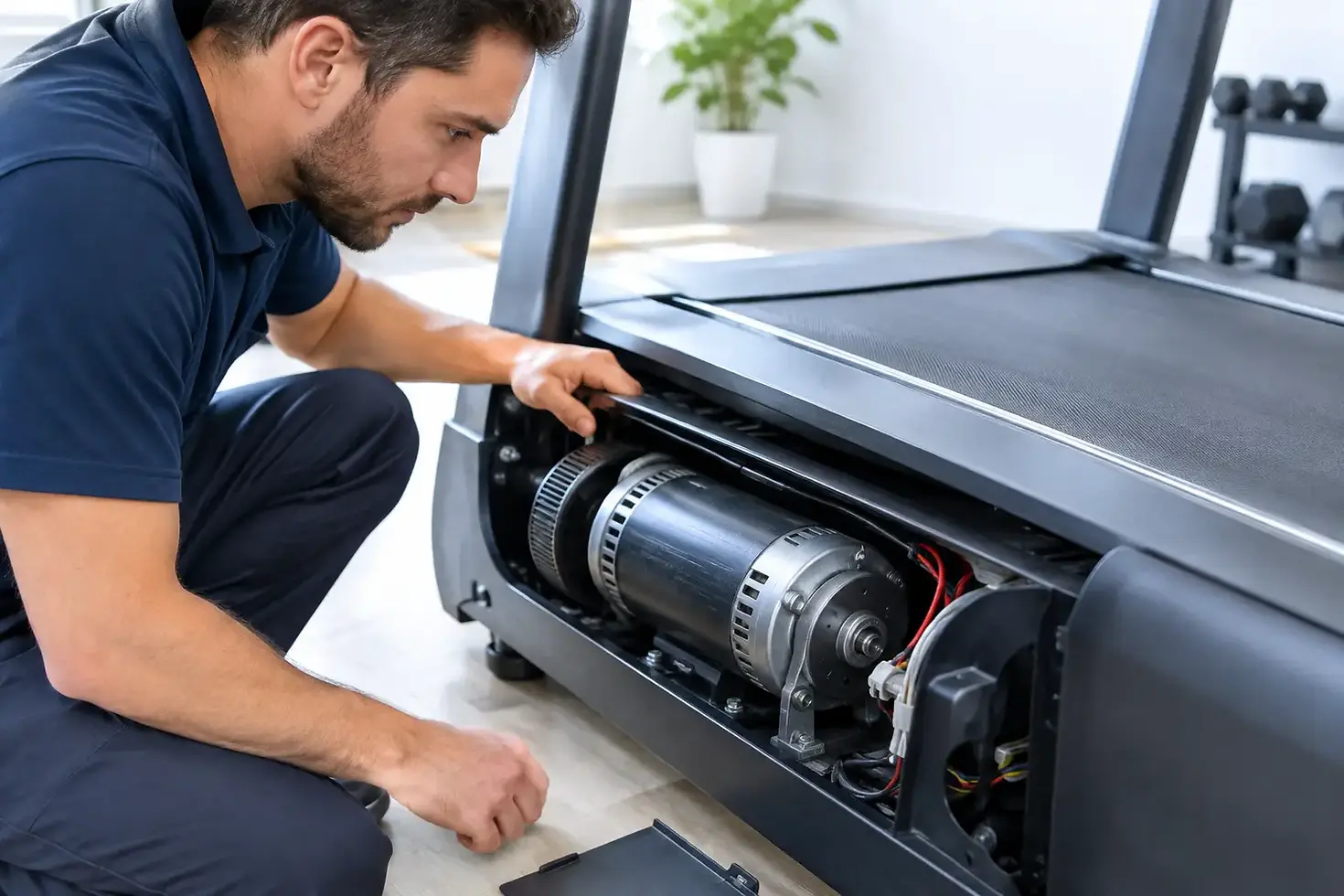
Do Treadmill Motors Overheat? Signs and Fixes

A treadmill that suddenly slows down halfway through a run, smells hot, or shuts off without warning is not just frustrating. It can take a piece of equipment out of service at the worst possible time. So, do treadmill motors overheat? Yes. They can overheat when the motor is working harder than it should, when airflow is restricted, or when an electrical or mechanical issue is building inside the machine.
For a home owner, that may mean a missed workout. For a gym, hotel, condo, or apartment fitness center, it can mean member complaints, equipment downtime, and an avoidable safety concern. The good news is that many overheating problems show warning signs before a motor fails completely.
Why treadmill motors overheat
A treadmill motor is designed to handle heat during normal operation. Running the belt creates resistance, the motor turns continuously, and the motor control board manages electrical power. Warmth is expected. Excessive heat is not.
Most overheating happens because the drive system is under load. A dry walking belt and deck create friction. A belt that is too tight can strain the motor. Worn bearings, a misaligned belt, or accumulated dirt can also force the motor to draw more power than normal. Over time, that extra load raises operating temperature and shortens the life of the motor, controller, and related electrical components.
Usage also matters. A residential treadmill used for light walking has a different workload than a commercial unit operating all day in a busy fitness room. However, even commercial-grade equipment needs regular cleaning, lubrication when specified by the manufacturer, and inspections to keep heat under control.
Heat is normal. Shutdowns are not.
Many treadmills have thermal protection that shuts the machine down when the motor or controller reaches an unsafe temperature. This protection can prevent immediate damage, but it is not a repair. If the unit runs again after cooling and then repeats the problem, the underlying cause still needs attention.
A breaker that trips, an error code on the console, or a machine that only fails under a user's weight can point to an overheating or excessive-load condition. Those symptoms deserve a proper diagnosis rather than repeated resets.
Signs your treadmill motor may be overheating
A burning odor is one of the clearest warning signs. It may smell like hot rubber, warm plastic, or electrical insulation. Stop using the treadmill if you notice it, especially if the smell is strong or returns each time the equipment runs.
Other common signs include a belt that hesitates or slows during use, a motor hood that becomes unusually hot, sudden shutoffs after 15 to 30 minutes, or a treadmill that works fine with no one on it but struggles when someone walks or runs. The last symptom often indicates excessive friction between the belt and deck, although it can also involve motor wear or a failing controller.
Listen for changes as well. A strained humming sound, grinding, squealing, or repeated clicking is not normal operation. Noise alone does not confirm a motor failure, but it helps a technician narrow down whether the issue is coming from the drive motor, roller bearings, belt, or electronics.
Common causes of treadmill motor overheating
A dry or worn walking belt and deck
The belt-and-deck system is a leading cause of motor stress. On many treadmills, the underside of the walking belt needs the right lubricant to reduce friction. If lubrication is overdue, the motor must work much harder to move the belt under a person's weight.
Not every treadmill uses the same maintenance schedule or lubricant. Some commercial decks and belts have different specifications, and applying the wrong product can create another problem. Check the equipment manual or have the unit inspected before adding lubricant.
Dust, pet hair, and blocked airflow
Motor compartments collect dust, lint, and hair over time, especially in homes with pets and high-traffic fitness facilities. That buildup can restrict airflow through vents, insulate heat-producing components, and interfere with cooling fans.
Cleaning the exterior around the motor hood helps, but opening the unit and cleaning internal electrical areas should be done carefully. Unplugging the treadmill is essential, and compressed air used incorrectly can push debris deeper into sensitive components. A service technician can clean the compartment while checking for loose connections, damaged wiring, and overheating marks.
Belt tension or alignment problems
A walking belt that is overtightened puts continuous extra resistance on the drive motor. A belt that drifts to one side can rub against the frame or wear unevenly. Both conditions increase heat and can damage the belt, deck, rollers, and motor over time.
Adjustment is not always a simple matter of turning rear roller bolts. Small changes affect tension and tracking differently, and settings vary by manufacturer. If a belt has stretched, glazed, torn, or become unevenly worn, adjustment may not solve the problem.
Worn motor, controller, or electrical parts
Motors can wear internally. Brushes may be worn on applicable DC motor designs, bearings can deteriorate, and internal components can lose efficiency. A motor control board may also overheat because of failed components, poor ventilation, or excessive current draw from a dragging belt system.
Power supply problems can contribute too. Treadmills should be connected to a properly grounded outlet that meets the manufacturer's electrical requirements. Extension cords, overloaded circuits, and unstable power can create performance issues and increase the risk of damage. Electrical diagnosis should be left to a qualified fitness equipment professional.
What to do when a treadmill gets too hot
If you suspect overheating, stop the workout and turn the treadmill off. Unplug it from the wall, then allow it to cool completely. Do not keep restarting it to see whether it will finish a workout. Repeated operation under an overload condition can turn a minor maintenance need into a motor or control board replacement.
Once the treadmill is cool, inspect the visible basics. Make sure nothing is blocking the air vents. Look for belt damage, unusual belt drift, and debris under or around the machine. If the belt feels unusually resistant when you walk on it with the power off, or if the treadmill has a burning smell, leave it unplugged and schedule service.
Do not remove protective covers while the machine is connected to power. Treadmills contain capacitors and electrical components that can retain hazardous energy. This is particularly relevant for facilities where staff may feel pressure to get a unit back online quickly. Keeping an unsafe treadmill out of service is the better decision.
Prevent overheating with scheduled maintenance
The best way to avoid an overheated motor is to address friction and debris before they become a breakdown. In a residential setting, that may include routine exterior cleaning, keeping the area around the treadmill clear, and following the manufacturer’s belt care schedule. In commercial settings, maintenance intervals should reflect actual traffic, not just the calendar.
A practical preventive maintenance visit can include checking belt condition and tension, inspecting deck wear, cleaning the motor compartment, testing drive performance under load, examining rollers and bearings, and reviewing electrical connections. This work helps identify equipment that is starting to draw excessive current before users notice slowdowns or shutdowns.
For facilities with multiple cardio machines, tracking service dates and recurring symptoms is useful. If several treadmills are placed in a hot, dusty room or share an overloaded circuit, the pattern may reveal an environmental issue instead of a problem with one machine.
When professional treadmill repair is the right call
Call for service when overheating repeats, the unit shuts down during use, an error code appears, the belt slows under load, or you smell burning material. These symptoms can overlap, and guessing at a motor replacement without testing the belt, deck, rollers, and controller can waste time and money.
Gympro Service provides on-site treadmill diagnostics, repair, and preventive maintenance for residential and commercial equipment throughout Palm Beach County and Broward County. A trained technician can determine whether the motor is truly failing or whether a correctable friction, belt, ventilation, or electrical issue is causing the heat.
A treadmill motor rarely overheats without a reason. Taking the machine out of service early and correcting the source of the load protects the equipment, the people using it, and the budget required to keep your fitness space running.


Comments